top of page


Good Human New York
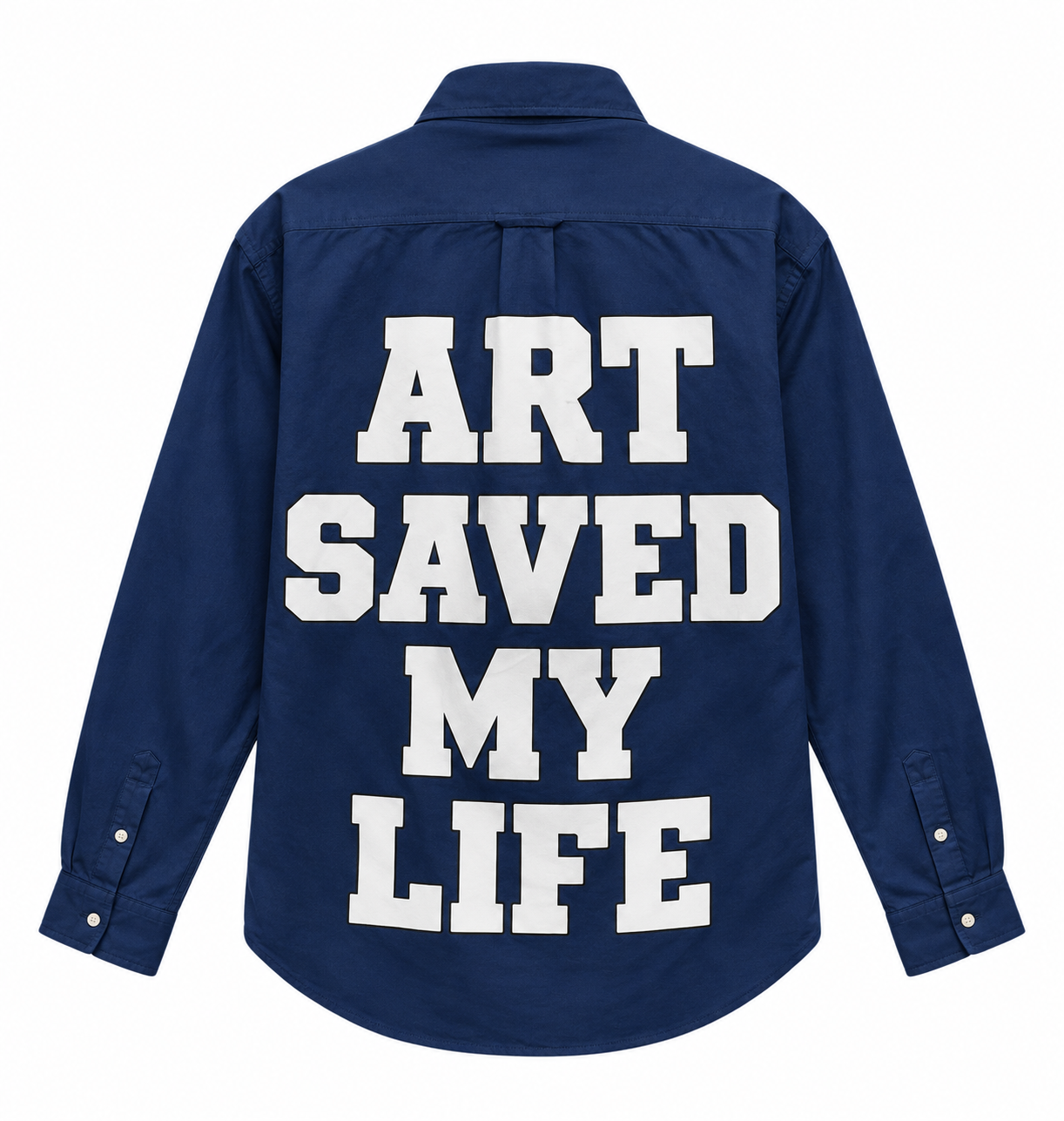
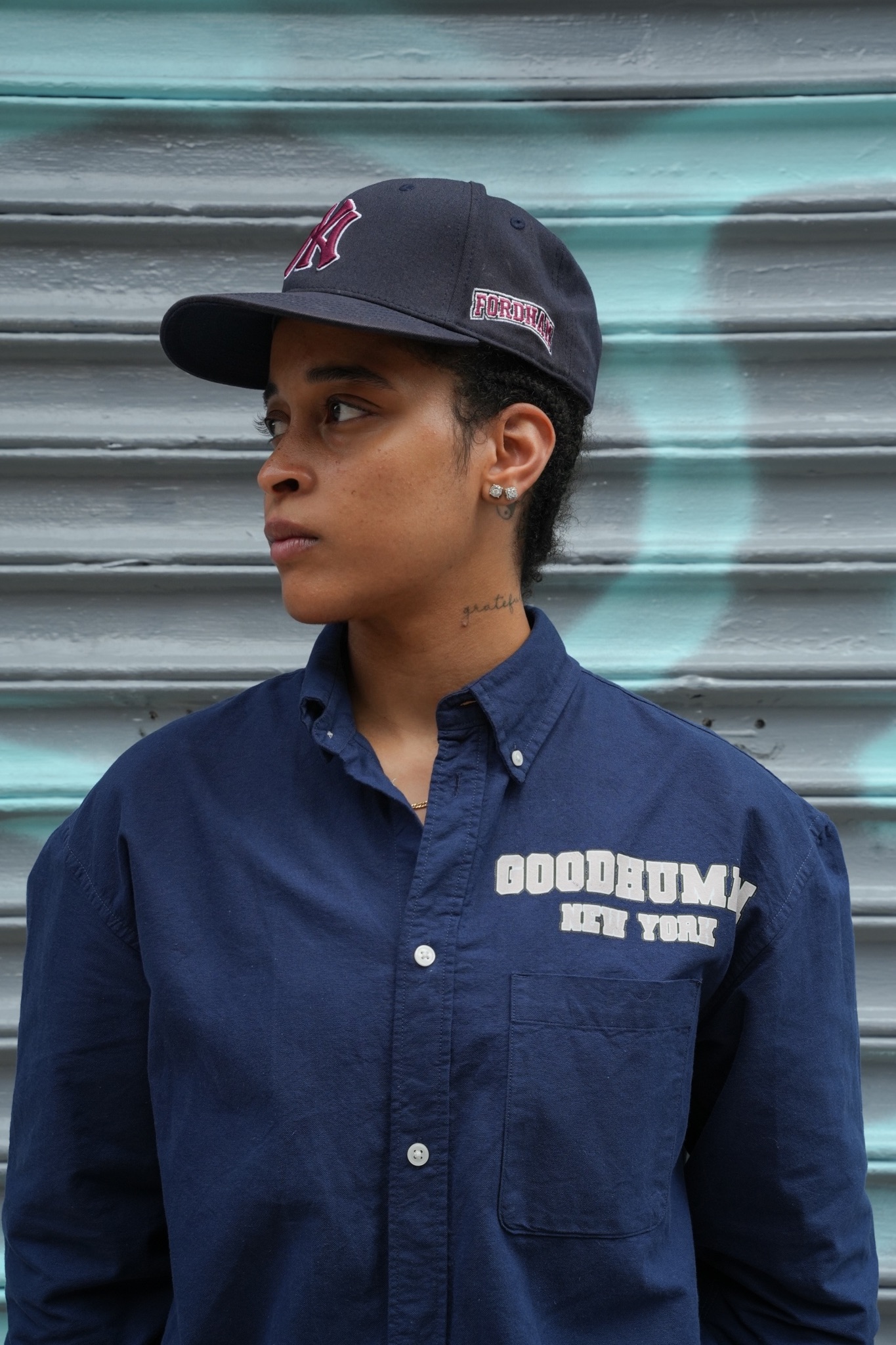
Good Human New York is a Black-, woman-, and queer-owned apparel venture established by Bronx-native artist and documentary photographer "Human Bean." Operating at the intersection of progressive streetwear, curated capsule collaborations, and community-driven experiential activations, the brand required a digital flagship capable of matching its growing cultural footprint with commercial rigor. Product designer Rosemeris Salcedo led the end-to-end digital transformation, restructuring the brand’s direct-to-consumer (DTC) architecture to establish brand authority, eliminate purchase friction, and cultivate long-term customer retention.
Over a rigorous 12- to 18-week lifecycle, the initiative spanned generative user research, competitive benchmarking, information architecture restructuring, wireframing, high-fidelity visual design, interactive prototyping, and cross-device usability testing, concluding with comprehensive front-end implementation support and post-deployment optimization. Central to the design intervention was the deployment of an accessible, scalable design system alongside streamlined mobile discovery patterns, intuitive collection filtering, and a frictionless checkout flow. This systems-level approach preserved the founder’s raw visual storytelling while radically lowering cognitive load across the buyer journey.
Within three months post-deployment, the redesigned ecosystem yielded a **50% aggregate indexed performance lift** across core e-commerce benchmarks. By resolving systemic interaction bottlenecks and instituting a resilient responsive infrastructure, the redesign successfully converted organic brand affinity into measurable commercial momentum and scalable operational stability.
Bronx, New York
New York City
2024-2026
Seasonal Drops
E-Commerse
Website
Role
Lead UX/UI Designer
Research
Ideation
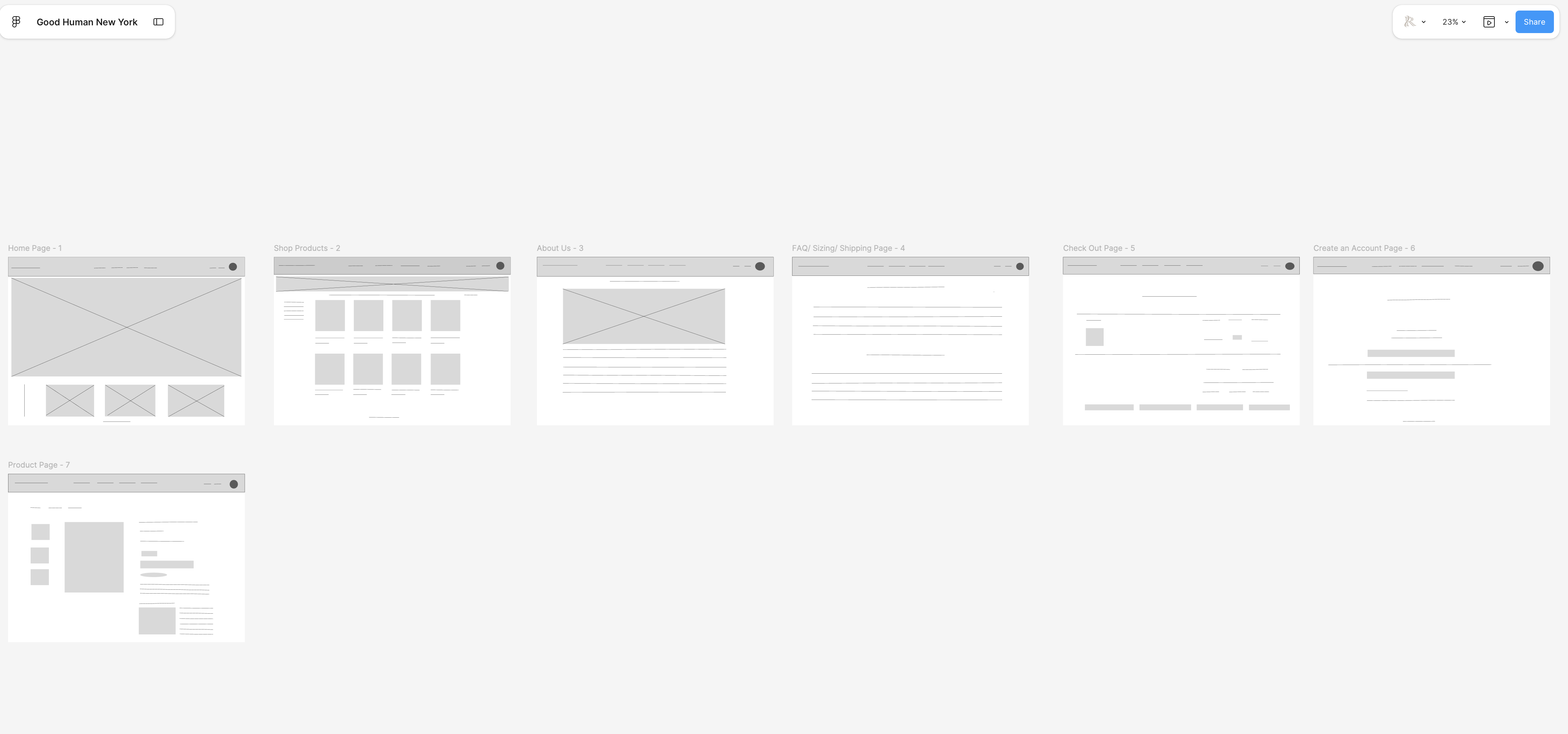
Wireframes
Low Fidelity Design
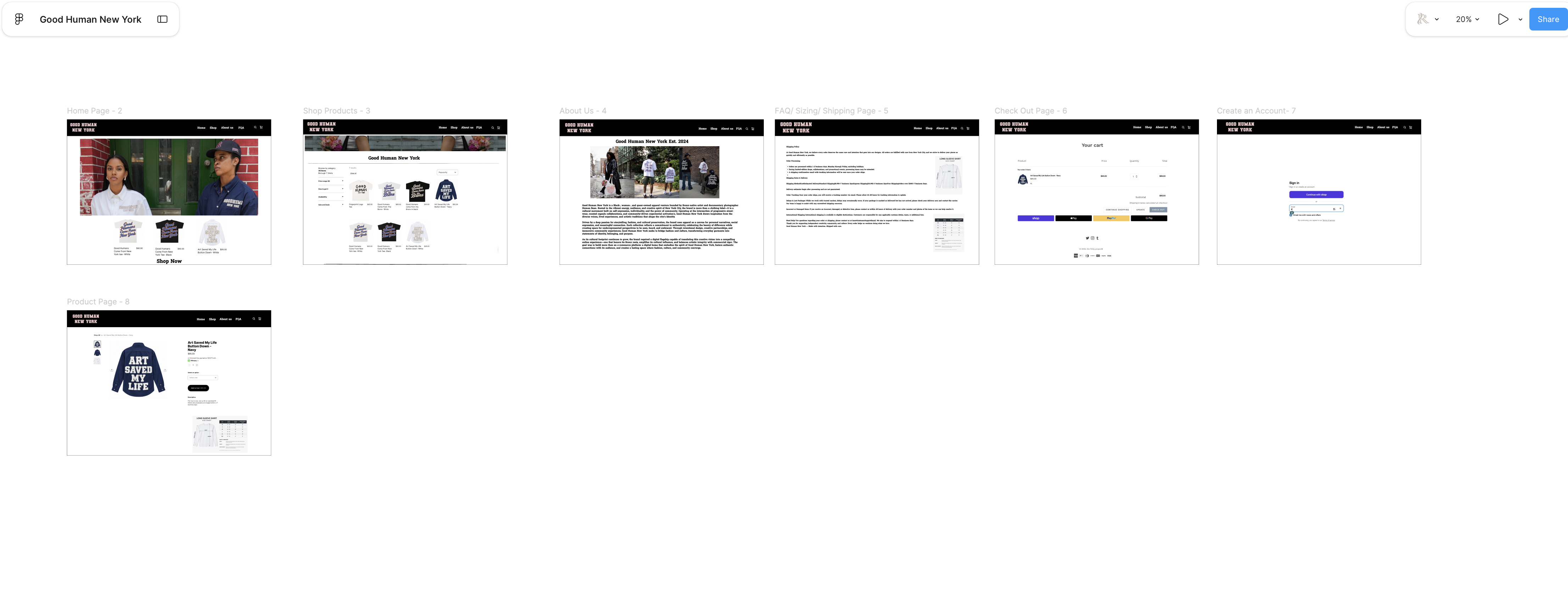
High Fidelity Design
Prototyping
Usability Testing
Main Goal
The primary goal was to transform the e-commerce experience into a more intuitive, visually cohesive, and conversion-focused platform by simplifying the customer journey, strengthening product communication, improving mobile usability, and creating a scalable design system. The redesign connected user needs with business objectives to reduce friction, increase customer confidence, and drive measurable growth—resulting in a reported 50% improvement in performance within three months of launch.
Involvement
Led the end-to-end UX/UI design process, from research and UX strategy through information architecture, Wireframing, high-fidelity interface design, responsive experiences, design system development, prototyping, usability testing, and implementation QA. Collaborated closely with stakeholders and development teams to translate business objectives into intuitive, scalable digital experiences focused on usability, conversion, and measurable growth.
Target Market
The target market comprised digitally engaged e-commerce customers seeking a seamless, trustworthy, and efficient shopping experience. The experience was designed to support first-time buyers, returning customers, and high-value shoppers across mobile and desktop, with an emphasis on intuitive discovery, clear product information, convenient purchasing, and long-term brand engagement.
Process
The project followed a comprehensive, human-centered design methodology spanning Discovery → Strategy → Information Architecture → Wireframing → Visual Design → Prototyping → Usability Testing → Implementation → Optimization. The process began with an in-depth assessment of the existing experience, translating customer behaviors, business objectives, and usability findings into a more coherent product strategy.
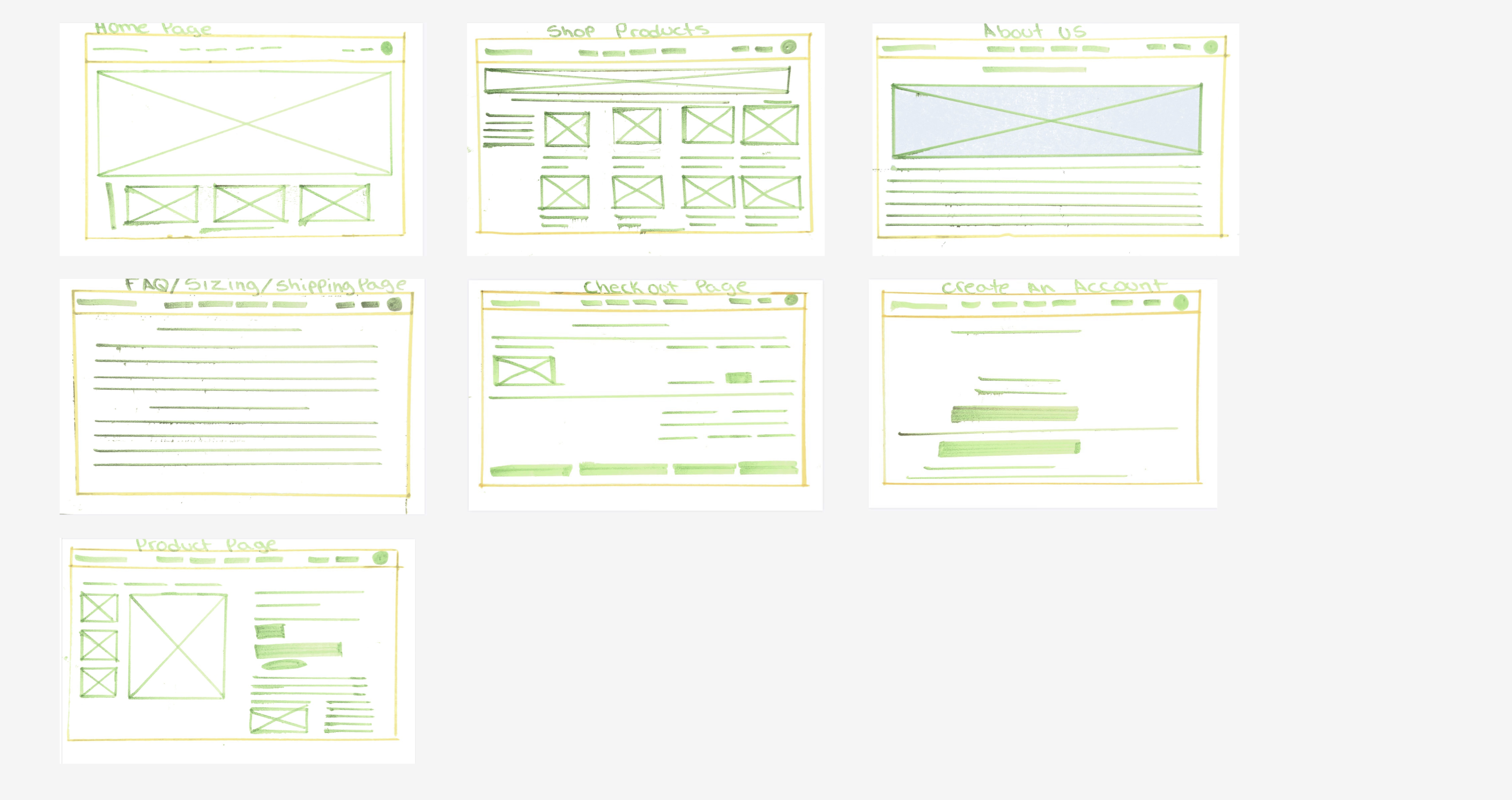
The UX/UI design process involved developing low-fidelity wireframes to establish hierarchy and interaction logic, followed by high-fidelity interfaces that introduced a refined visual language, responsive behavior, and a scalable design system. Interactive prototyping and usability validation were then used to refine critical journeys before development, while continuous design QA ensured consistency between the intended experience and the final implementation.
Key Design Challenges
Several challenges required iterative problem-solving throughout the engagement:
* Balancing aesthetics with usability: Creating a visually sophisticated interface without compromising clarity, accessibility, or ease of navigation.
* Reducing e-commerce friction: Simplifying complex shopping and checkout journeys while retaining the product information customers needed to make confident decisions.
* Designing across multiple devices: Translating the experience seamlessly between mobile, tablet, and desktop while preserving hierarchy and interaction quality.
* Maintaining consistency at scale: Establishing a robust design system that could accommodate diverse components, content types, and future product expansion.
* Aligning stakeholder expectations: Translating differing business priorities and feedback into a unified experience while maintaining a clear UX rationale.
* Working within technical constraints: Adapting design ambitions to existing platform capabilities, development limitations, integrations, and implementation requirements.
* Balancing business and user objectives: Designing experiences that supported commercial goals such as conversion and average order value without creating unnecessary pressure or disrupting the customer's journey.
Conclusion
Ultimately, this project evolved into a comprehensive exercise in strategic problem-solving, translating a multifaceted landscape of business objectives, technical constraints, and user expectations into a cohesive, scalable, and purpose-driven digital experience. One of the central challenges was reconciling the organization's operational complexities with the need for an intuitive, accessible, and engaging user journey, while ensuring that every design decision aligned with its broader commercial ambitions. Through a deliberate process of research, information architecture, user-centered design, and iterative refinement, the project addressed these challenges by establishing greater structural clarity, streamlining digital interactions, and creating a foundation capable of accommodating future growth.
The resulting experience not only strengthened the relationship between business strategy and digital functionality but also demonstrated the transformative potential of UX/UI design as a catalyst for organizational advancement. By bridging the gap between complex requirements and meaningful user experiences, the project established a more intentional digital framework, enhanced the platform's capacity to support customer acquisition and engagement, and positioned the organization for sustained scalability. Ultimately, this work underscored how thoughtful UX strategy can transcend aesthetics, transforming complexity into clarity, functionality into opportunity, and digital experiences into measurable drivers of business growth.

01
Good Human New York

01

02

03

04
Currently

05
Low Fidelity Prototype

06
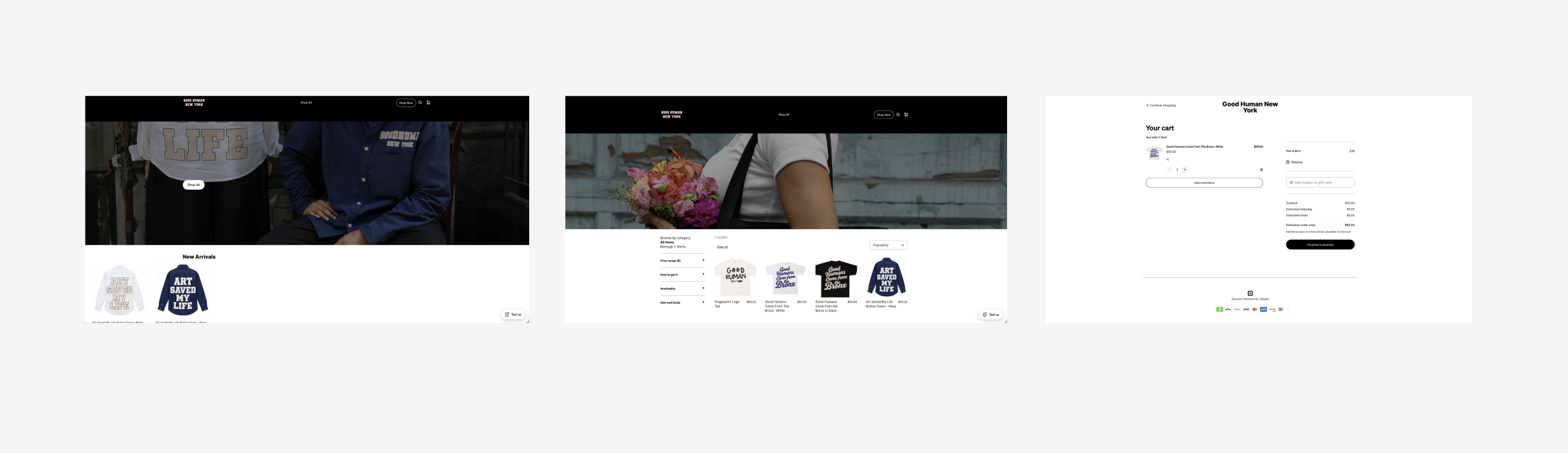
High Fidelity Prototype

07
Interface

08
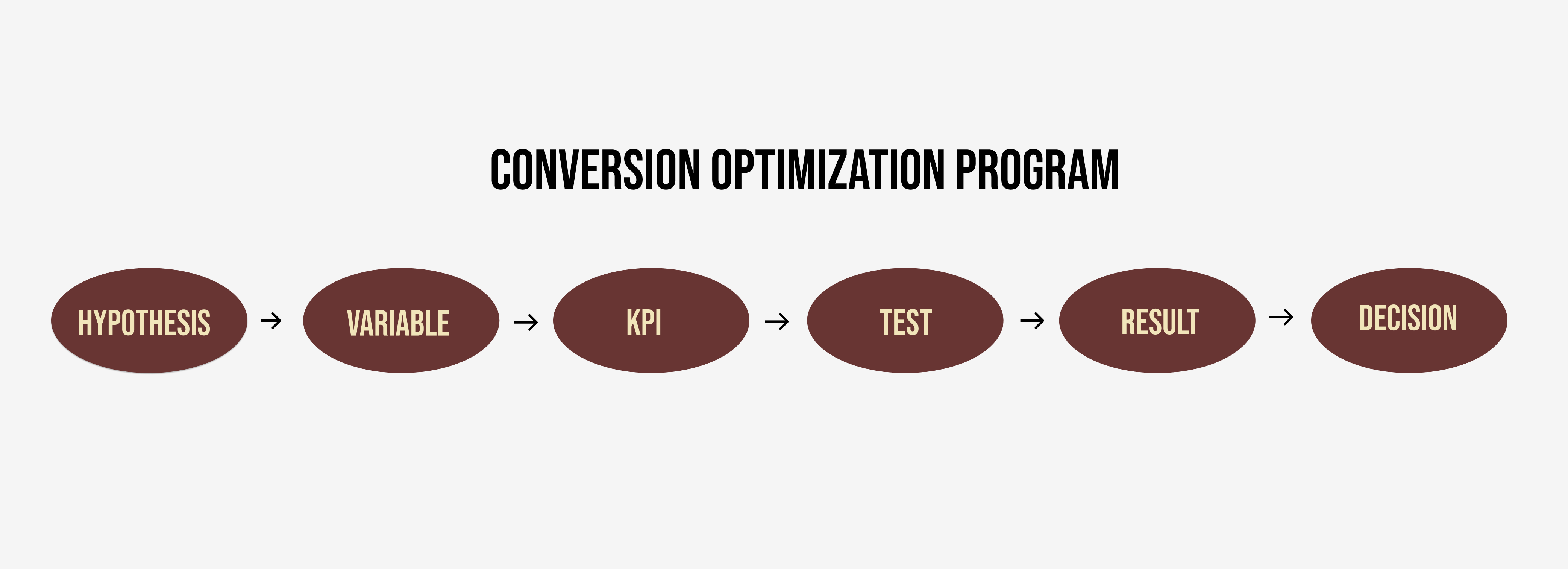
Strategy


bottom of page